

The beginner’s guide to Selling on Amazon South Africa
Table of Contents Show
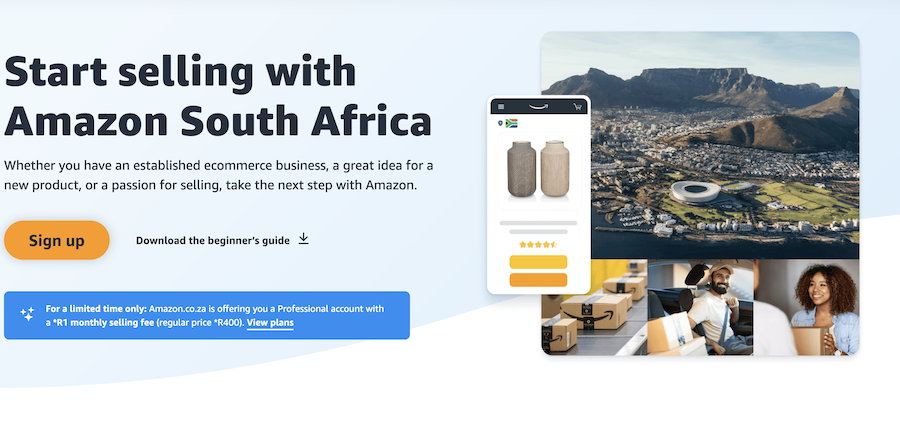
As an expert in online retail and e-commerce, particularly in the South African context, I’d like to share insights and guide new sellers through the journey of selling on Amazon South Africa. This comprehensive guide is crafted from Amazon’s beginner’s guide specifically tailored for South African sellers. It’s vital to understand that the e-commerce landscape in South Africa is unique, and while it presents immense opportunities, it also comes with its challenges.
Comprehensive Guide to Selling on Amazon South Africa
Initial Steps for Amazon Sellers in South Africa
- Choose Your Selling Plan: Decide between the Individual and Professional plans. The Individual plan is ideal for selling fewer than 40 items monthly, while the Professional plan suits higher volumes and provides more tools.
- Understand the Costs: The individual plan costs R10 per sale, and the Professional plan costs R400 per month. Remember, there are additional fees for selling on Amazon.
- Registration Necessities: Prepare your bank account details, a chargeable credit/debit card, a government-issued ID, tax information, and a phone number for registration.
Navigating Seller Central
Seller Central is your operational dashboard. Here you can list products, manage inventory, process payments, and access Amazon’s resources. The mobile app extends these capabilities, offering flexibility in managing your business.
Effective Product Listing Techniques
- Product Matching vs. New Listings: For existing products on Amazon, match your item to the listing. If your product is new, create a unique listing.
- Listing Essentials: Include SKUs, engaging titles, comprehensive descriptions, and high-resolution images. Utilize relevant keywords for better visibility.
Optimizing Product Detail Pages
Ensure your product detail pages are informative and visually appealing. Use clear images, concise titles, detailed descriptions, and bullet points to highlight features. This is crucial for attracting and converting potential customers.
Fulfillment Options
- Amazon Easy Ship: You handle storage and packing, while Amazon takes care of delivery.
- Fulfillment by Amazon (FBA): Amazon manages storage, packaging, and shipping. FBA includes added benefits like handling customer service and returns.
Post-Sale Strategy
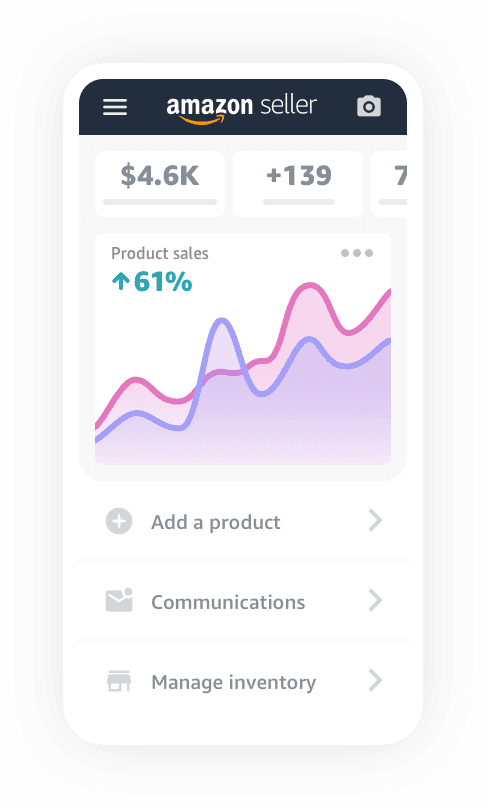
Maintaining a healthy seller account is vital. Regularly monitor key performance metrics like order defect rate, cancellation rate, and late shipment rate. Focus on gathering customer reviews ethically and strategically.
Expanding Your Business
Leverage Amazon’s advertising opportunities, run promotions and consider offering vouchers to increase visibility and sales. Continuously expand your product range and stay competitive with tools like the Automate Pricing Tool.
Additional Tips for New Sellers
- Utilize Amazon’s New Seller Incentives: Take advantage of incentives such as 5% back on initial sales, discounts on FBA shipping, and credits for CPC ads.
- Customer Feedback: Encourage and monitor customer reviews, as they greatly influence buyer decisions.
- Inventory Management: Keep a close eye on your inventory levels to avoid stockouts and ensure timely fulfilment.
Building a Successful Amazon Business in South Africa
Embarking on your Amazon selling journey in South Africa offers exciting opportunities. By following these steps and insights, you can establish a strong presence in the marketplace. Focus on customer satisfaction, optimize your listings, leverage Amazon’s tools and incentives, and continuously seek growth opportunities. With dedication and the right strategies, you can successfully grow your business on Amazon South Africa.
Building a Successful Brand on Amazon: Key Insights from Amazon Accelerate 2023