

Amazon FBA Customer Returns and Refunds
Table of Contents Show
Navigating the realm of customer returns and refunds is an essential aspect of selling on Amazon, particularly for sellers utilizing Fulfillment by Amazon (FBA). In this system, Amazon streamlines the process of handling customer returns and managing refunds, providing a seamless experience for both sellers and customers. Understanding the nuances of this process is vital for sellers, as it directly impacts business operations, customer satisfaction, and overall financial health.
FBA simplifies the logistics involved in returns, from arranging return shipping to processing customer refunds, yet it also presents unique considerations for sellers, especially in managing unsellable returned items. This understanding is crucial for maintaining product integrity, optimizing inventory, and mitigating potential losses due to unsellable merchandise.
Understanding FBA Customer Returns Policy
Amazon’s Fulfillment by Amazon (FBA) service offers a comprehensive customer returns policy that is crucial for sellers to understand. This policy outlines the specifics of how refunds, returns, reimbursements, and replacements are handled under the FBA program. Typically, Amazon allows customers to return items within a standard 30-day window following delivery. However, this return period can vary depending on the product category or special circumstances. For example, products within certain categories may be subject to different return windows due to their nature, and Amazon often extends the return period during holiday seasons, offering an extended holiday-returns window. This flexibility allows customers to return items beyond the usual 30-day timeframe, providing additional convenience during peak shopping periods.
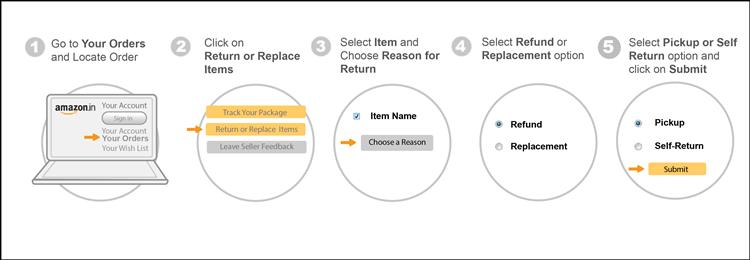
For FBA sellers, comprehending these policies is essential for managing customer expectations and preparing for the operational aspects of returns. It’s important to stay informed about the nuances of these policies, as they can affect how sellers manage their inventory, process customer refunds, and handle returned items. Sellers can find more detailed information on the FBA customer returns policy, including guidelines for refunds, returns, reimbursement, and replacement, on the Help page in Seller Central. Being well-versed in these policies enables sellers to effectively navigate the returns process, maintain customer satisfaction, and ensure the smooth operation of their Amazon business.
Refund Process and Seller Notifications
Once a customer initiates a return for an item purchased through Fulfillment by Amazon (FBA), a well-defined sequence of events is set in motion. This process is critical for both the customer’s satisfaction and the seller’s account management. Here’s an overview of the key steps and notifications involved:
- Initiation of the Return:
- Customers initiate the return process based on Amazon’s return policy. This could be due to various reasons, such as dissatisfaction with the product or a change of mind.
- Refund Process:
- Upon receiving the returned item, Amazon initiates the refund process. This is a crucial step where the amount is credited back to the customer’s account.
- Concurrently, the seller’s account is charged for the refund. This charge reflects in the seller’s financial transactions, impacting their overall account balance.
- Seller Notifications:
- Sellers receive an FBA notification email detailing the returned order. This notification is pivotal as it alerts the seller to the return and helps them track the impact on their inventory and finances.
- Additionally, sellers can view a comprehensive list of returned FBA purchases on the ‘Return Reports’ page in Seller Central. This page is an essential resource for monitoring and managing returns.
- Accessing Detailed Return Information:
- For deeper insights into refunds and reimbursements, sellers can utilize the ‘FBA customer return reports’ available in Seller Central.
- This reporting tool offers detailed information, enabling sellers to understand the reasons behind returns and to strategize for reducing future return rates.
Returns Evaluation and Item Classification
When an item is returned to Amazon’s fulfillment center through the Fulfillment by Amazon (FBA) program, it undergoes a meticulous inspection process to determine its condition and future viability. This returns evaluation is a critical step in maintaining quality control and ensuring customer satisfaction. Here’s how the process works:

- Inspection of Returned Items:
- Upon arrival at the fulfillment center, each returned item is thoroughly inspected by Amazon’s team. This inspection is designed to assess the item’s condition and determine whether it can be returned to the seller’s inventory for resale.
- Returns Evaluation Process:
- The returns evaluation includes a detailed check to identify any signs of customer abuse or misuse. This step is crucial in differentiating between legitimately returned items and those that may have been misused, damaged, or altered by the customer.
- Categorization into Sellable or Unsellable:
- Post-inspection, items are categorized as either ‘sellable’ or ‘unsellable’ based on their condition.
- Sellable Items: These are items that meet Amazon’s quality standards for new or like-new condition. They are returned to the seller’s inventory and become available for sale again.
- Unsellable Items: Items that do not meet the necessary quality standards are classified as unsellable. This category includes items that are defective, expired, damaged in transit (‘carrier damaged’), or damaged by the customer.
- Handling of Unsellable Items:
- For items classified as unsellable, Amazon conducts an investigation to identify who is responsible for the damage. This step is crucial for determining whether the seller is eligible for reimbursement.
- Sellers may receive reimbursement for unsellable items deemed ‘damaged’ or ‘carrier damaged,’ indicating that the damage occurred either in transit or at the fulfillment center.
Other Areas of Consideration:
Handling of Unsuitable Items
- Criteria for Classification: Amazon classifies returned items as defective, expired, damaged, carrier damaged, or customer damaged, based on thorough inspection. This classification determines whether items are fit for resale or need special handling.
- Re-Entry of Sellable Items: Items deemed in good condition are returned to the seller’s inventory and become available for resale, thus minimizing inventory loss.
- Reimbursement Conditions: Sellers are eligible for reimbursement for items damaged in Amazon’s custody or during transit, aligning with Amazon’s commitment to fair seller treatment.
FBA Inventory Reimbursement Policy
- Reimbursement Policy Overview: This policy outlines the conditions under which sellers are compensated for damaged or lost items while in Amazon’s control.
- Accessing Policy Information: Detailed policy information is available in Seller Central, providing transparency and guidance on reimbursement procedures.
Options for Unsuitable Items Not Eligible for Reimbursement
- Recovery Services: Amazon offers services like Refurbishment and Liquidations for items not suitable for resale but still have value.
- Automated Removal and Recovery: Sellers can automate the removal of unsellable items and choose recovery services through their FBA settings, streamlining inventory management.
- Disposal Options: For items not eligible for recovery services, sellers can opt to have them returned or responsibly disposed of, with special protocols for hazardous items.
FBA Donations and Managing Customer Returns

- Donation Option: The FBA Donations program enables sellers to contribute unsellable but usable items, supporting sustainability and social responsibility.
- Monitoring Returns: Regular analysis of return reasons and trends on the ‘FBA Returns’ page helps sellers identify potential improvements in their product offerings or listings.
Navigating the FBA Returns Page
- Using the FBA Returns Page: This tool in Seller Central offers a comprehensive view of returns, facilitating effective return management.
- Page Features: It includes features like search, filters, and insights, providing valuable data on return reasons and trends to inform business decisions.
Importance of Customer Satisfaction
- Focus on Customer Satisfaction: Amazon prioritizes customer satisfaction, and efficient returns handling plays a vital role in maintaining this.
- Trust and Repeat Purchases: A smooth returns and refund process aids in building customer trust and loyalty, encouraging repeat business.
- Encouragement for Sellers: Amazon encourages sellers to utilize these tools and policies to enhance customer experience and grow their businesses successfully on the platform.
The key to leveraging these FBA features effectively lies in understanding and navigating the various aspects of the returns process. By regularly analyzing return trends, utilizing recovery services when appropriate, and staying informed about Amazon’s evolving policies, sellers can minimize losses from unsellable items and improve their overall business strategies. Moreover, options like FBA Donations not only offer a responsible way to handle unsellable inventory but also reflect a commitment to social responsibility and sustainability.
Revolutionizing Brand Presence on Amazon with Upper-Funnel Marketing