

Boost Your Brand on Amazon: The Ultimate Guide to Unveiling the Magic of Q4 Revenue Growth During the Holiday Season!
Table of Contents Show
As a seasoned seller or brand owner in the online retail space, especially on platforms like Amazon, you’re undoubtedly aware of the critical significance of the fourth quarter (Q4) for your business’s growth. This period, embracing the bustling holiday season represents far more than just a surge in sales. It’s a pivotal window for strategic business planning and execution, offering a unique opportunity to amplify your brand’s success and set the stage for future growth.
In 2022, total US holiday Sales rose 3.5% to $211.7 Billion and accounted for 21.6% of total retail sales.
Understanding the Importance of Q4
Understanding the importance of Q4 is crucial for your success in online retail. The holiday season in Q4 isn’t just another sales window; it’s a pivotal period that can significantly impact the annual revenue of businesses, both large and small. Despite varying market predictions, you’ve likely noticed that sales consistently show an upward trend during this period. For example, even with conservative estimates last year, sales surged by 3.5% year-over-year, accounting for a substantial portion of total retail sales. This trend highlights a clear message: the holiday season is an opportunity your business cannot overlook.

Leveraging the Holiday Season for Sales Potential
The key to capitalizing on Q4 lies in your strategic preparation and understanding of customer behaviour during this time. Remember, shoppers are not just buying; they are seeking inspiration, looking for the perfect gifts, and are more receptive to new products and deals. Here’s how you should approach this crucial period:

- Early Planning and Campaign Setup: In the months leading up to the holiday season, especially October and November, focus on setting clear goals and budgets. This involves building campaigns optimized for the holiday rush, ensuring that you are ready to capture the attention of shoppers seeking inspiration.
- Maximizing Key Shopping Days: Days like Black Friday and Cyber Monday are not just busy shopping days but cultural phenomena. Ensure your business is prominently present with attractive deals and engaging content to draw in customers who are actively seeking the best offers.
- Continued Momentum Beyond Big Sale Days: Post-Black Friday and Cyber Monday, the focus should shift to maintaining momentum. This involves closely monitoring and adjusting campaigns to stay relevant throughout the gifting season, ensuring that your brand remains at the forefront of customers’ minds.
- Post-Holiday Analysis and Optimization: After the holidays, dive into analyzing performance to understand what worked and what didn’t. This analysis is crucial for optimizing strategies for the next busy season and improving year-round performance.
Six Tactics for Enhancing Brand Presence on Amazon
Several key tactics must be considered in your journey of enhancing brand presence on Amazon, especially during the high-stakes holiday season. These strategies are designed to make a brand stand out amidst the intense competition and bustling activity that characterize Amazon during this time. Here’s an in-depth look at the five tactics to focus on:

1. Optimization of Amazon Product Detail Pages
Optimizing product detail pages is not just important; it’s essential for the success and visibility of your brand. The product detail page is the first (and often the only) interaction a potential customer has with your product on Amazon. A well-optimized page can make the difference between a sale and a missed opportunity. These pages serve as the product’s storefront, combining marketing, branding, and sales strategies in a cohesive presentation. Here’s the recommended approach to optimizing product detail pages:
- Prioritize the Featured Offer (Buy Box): Securing the Featured Offer or the Buy Box is crucial for you. Achieve this by ensuring competitive pricing, maintaining adequate inventory levels, and offering prompt shipping. This directly influences your page’s visibility and the likelihood of conversions.
- Optimize Product Titles and Descriptions: Clear, concise, and informative titles are essential for you. They should include critical keywords, your brand name, and specifics like size, color, or material. Similarly, your product descriptions and bullet points should be detailed yet easy to read, highlighting your product’s key features and benefits.
- Utilize High-Quality Images and Videos: High-resolution images that offer a zoom-in view are indispensable for your listings. Including multiple angles and, if possible, videos that demonstrate the product in action can significantly enhance customer engagement with your products.
- Leverage A+ Content for Enhanced Brand Storytelling: A+ content allows you to create a richer narrative around your brand and products, incorporating additional images, detailed descriptions, and comparison charts. This not only improves the aesthetic appeal of your page but also provides more information, which can lead to better customer decisions and potentially reduced return rates for you.
- Incorporate Customer Reviews and FAQs: Actively managing customer reviews and including a FAQ section can significantly impact your product’s purchase decisions. Positive reviews build trust in your brand, while FAQs address common concerns and queries, providing additional clarity to your potential buyers.
- Use Backend Search Terms Effectively: Backend search terms are a powerful Amazon SEO tool for you. By strategically using relevant keywords, you can ensure your product pages are more likely to appear in search results, driving organic traffic to your listings.
2. Amazon Inventory Management and Planning
Continuing from optimizing product detail pages, let’s delve into another crucial aspect: Inventory Management and Planning. This aspect is deeply interconnected with how well your product pages perform.

Effective Inventory Management Strategies:
- Accurate Forecasting: The first step in effective inventory management is accurate sales forecasting. By analyzing past sales data, especially during similar peak seasons, you can predict the demand for different products. This approach helps in making informed decisions about how much stock to keep.
- Regular Inventory Audits: Conduct regular inventory audits to ensure that stock levels align with the forecast and current sales trends. This is particularly important during the lead-up to major sales events, where having the right amount of stock can make or break the sales strategy.
- Leveraging Amazon’s Tools: Amazon provides tools like the Restock Inventory Dashboard in Seller Central, which I find invaluable. It offers insights into how much inventory to send in and when based on sales velocity, history, demand forecast, and seasonality.
Importance of Being Well-Stocked for Deal Events:
- Maximizing Sales Opportunities: Major deal events on Amazon can drive a significant spike in sales. Being well-stocked ensures that you can maximize these opportunities. Running out of stock means missed sales and can negatively impact the product’s ranking and visibility.
- Building Customer Trust: Maintaining stock levels is key to delivering a reliable customer experience. Customers expect quick and timely delivery, especially during the holiday season when they are buying gifts. A well-managed inventory ensures you can meet these expectations and build customer trust.
- Avoiding Overstocking: While being well-stocked is important, it’s equally crucial to avoid overstocking. Excess inventory ties up capital and can lead to additional storage costs. Through careful planning and regular monitoring, aim to maintain an optimal inventory level that meets demand without going overboard.
3. Utilizing the Manage Your Amazon Experiments Tool

Another key strategy you can employ is utilizing Amazon’s “Manage Your Experiments” tool. This tool empowers you to perform A/B testing, a method critical for refining and optimizing product listings for the best customer response.

Advantages of A/B Testing with Amazon ‘Manage Your Experiments’:
- Data-Driven Decision Making: A/B testing allows you to make decisions based on data rather than assumptions. By testing two different versions of a product detail page, you can clearly see which elements resonate more with customers, be it images, titles, bullet points, or descriptions.
- Improved Conversion Rates: By continually testing and optimizing, you can enhance the appeal of your product pages, leading to improved conversion rates. Small changes, sometimes as simple as altering the main image or tweaking the product title, can significantly impact customer engagement and sales.
- Customer Insights: This tool provides insights into customer preferences and behaviors. Understanding what drives a customer to choose one product over another is invaluable in crafting more effective marketing and sales strategies.

Guidelines for Testing and Optimizing Content:
- Set Clear Objectives: Before starting any experiment, define your goal. This could be increasing the click-through rate, improving the conversion rate, or enhancing customer engagement with the product page.
- Choose One Variable at a Time: Test one variable at a time to get clear insights. For instance, if you’re testing the product title, don’t change the images or bullet points until the title test is complete.
- Select High-Traffic Products for Testing: Choose products with higher traffic for experimentation to get statistically significant results quickly. This approach provides a larger sample size and more reliable data.
- Use a Structured Approach: Follow a structured approach for testing – decide on the variable, create two variants (A and B), run the experiment for a sufficient time (usually a few weeks), and then analyze the results.
- Implement Winning Elements: Once you identify which variant performs better, quickly implement these changes across similar products to leverage the learnings.
- Continuous Testing: Market trends and customer preferences evolve, so continuously use the Manage Your Experiments tool to stay ahead and optimise your listings according to the latest trends and insights.
4. Enhancing the Amazon Storefront
The storefront on Amazon is akin to a physical shop’s window display; it’s the first point of contact with the brand for many customers. Therefore, making it inviting, thematic, and user-friendly is vital, especially during the holiday season.

Refreshing Storefronts with Festive Themes:
- Seasonal Imagery and Videos: To capture the festive spirit, update the storefront with seasonal imagery and videos. This could include holiday-themed graphics, banners, and promotional videos that align with the festive mood. These visual elements create an inviting atmosphere that resonates with the holiday spirit, making the shopping experience more enjoyable and relatable.
- Themed Product Selection: Customers often look for specific types of products during holidays. Create themed product selections or collections, such as “Holiday Gifts,” “Winter Essentials,” or “New Year Must-Haves.” This curated approach makes it easier for customers to find relevant products quickly.
- Special Offers and Deals Highlight: Holidays are synonymous with special offers and deals. Ensure that any ongoing promotions or discounts are prominently displayed on the storefront. This attracts customers and gives them a quick view of the best deals.
Importance of an Easy-to-Navigate and Engaging Storefront:

- Enhanced Customer Experience: A well-organized and easy-to-navigate storefront enhances the overall customer experience. It’s important that customers find what they’re looking for with ease. Clear categorization, intuitive layout, and a search-friendly setup are key.
- Brand Storytelling: The storefront is an excellent platform for brand storytelling. You can convey the brand’s ethos, values, and unique selling propositions through a combination of visuals, text, and layout. This storytelling aspect helps in building a connection with the customers, going beyond just selling products.
- Increased Conversion Rates: An engaging and easy-to-navigate storefront can lead to higher conversion rates. When customers enjoy the browsing experience and can effortlessly find what they need, they are more likely to make a purchase.
- Building Brand Loyalty: A well-maintained storefront that regularly updates and stays relevant to customer needs plays a crucial role in building brand loyalty. Customers are more likely to return to a storefront that consistently offers a positive and engaging shopping experience.
5. Promotion Strategies and Amazon Posts Function
Another pivotal aspect of Amazon’s strategy is the implementation of effective promotion strategies and the utilization of Amazon Posts for storytelling and brand promotion.
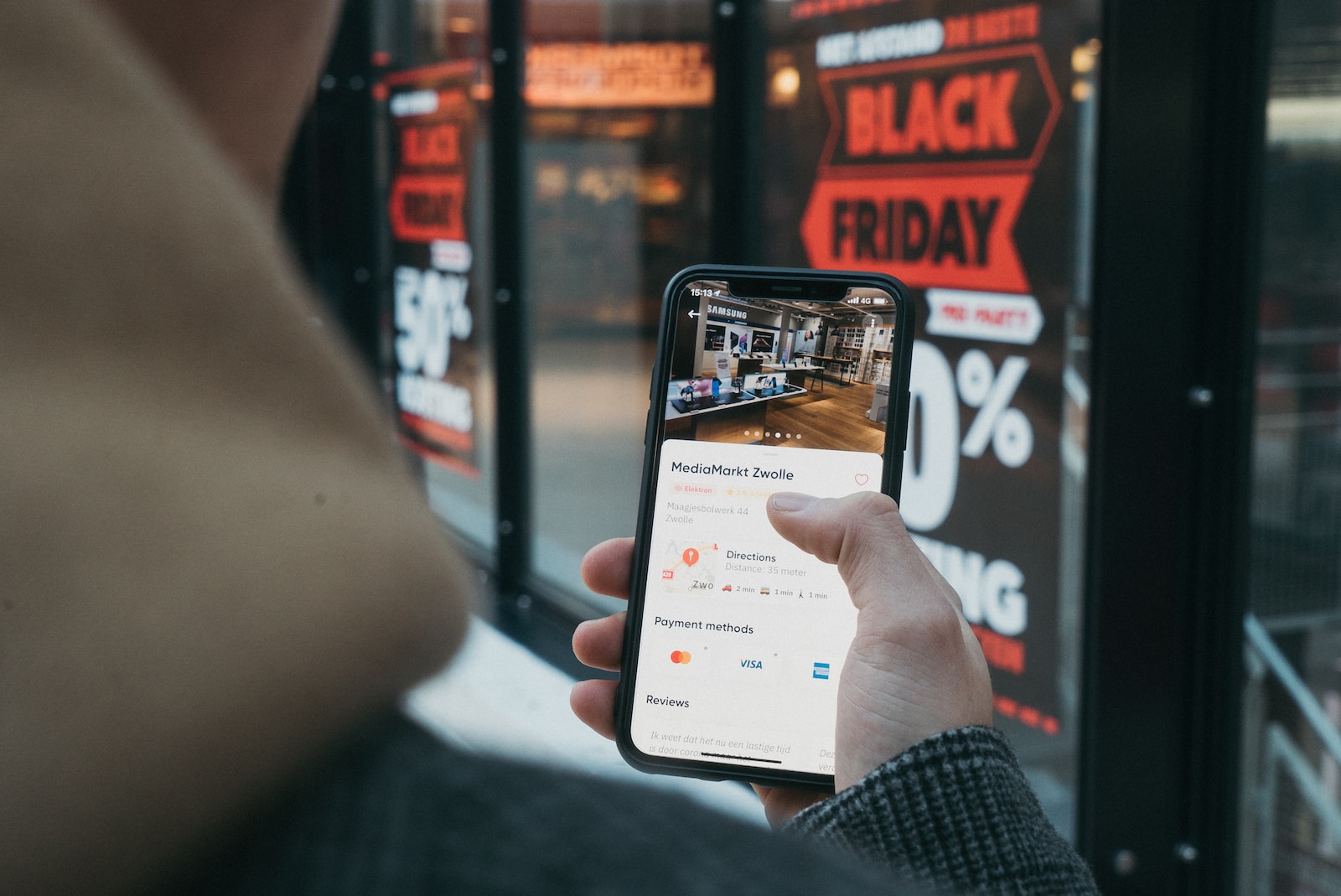
Creating Effective Promotions and Deals:
- Target Bestselling and Seasonal Items: Focus on promoting products with a proven sales track record or are particularly relevant for the season. This could include holiday-specific items or popular products that make great gifts.
- Competitive Pricing: Competitive pricing is key, especially during deal events. Analyze market prices and adjust your prices to ensure they are attractive to customers without compromising on profit margins.
- Time-Limited Offers: Creating a sense of urgency through time-limited offers encourages customers to make a purchase decision faster. This can be particularly effective during events like Black Friday or Cyber Monday.
- Bundling Products: Offering bundled products at a discounted rate can increase the perceived value for customers. It also encourages them to buy more than they initially intended.
- Leverage Amazon’s Deal Pages: Making sure that your promotions are featured on Amazon’s deal pages increases visibility significantly. These pages are high-traffic areas, especially during the holiday season.
Utilizing Amazon Posts for Storytelling and Brand Promotion:

- Creating a Visual Narrative: Amazon Posts allows you to create a visual narrative for your brand. Use high-quality images and engaging content that tells a story about your products, enhancing brand appeal.
- Highlighting Products in Lifestyle Settings: Showcasing products in real-life settings helps customers visualize how they can use them. It adds a personal touch and makes the products more relatable.
- Consistent Branding: Ensure that the content in Amazon Posts aligns with your overall brand image and tone. Consistency in branding across all platforms is crucial for building brand recognition and trust.
- Engagement Through Posts: Regularly updating Amazon Posts keeps your brand active and engaging. These posts highlight new arrivals, share product tips, or announce special deals.
- Strategic Placement: Amazon’s algorithm places posts based on shopping relevance and customer engagement, ensuring that a relevant audience sees your content. This feature helps in targeting the right customers effectively.
6. Leveraging the Amazon Brand Referral Bonus Program (BRB Program)
Another strategic avenue you can exploit is Amazon’s Brand Referral Bonus Program. This program is a powerful tool that complements your external marketing efforts, driving traffic back to Amazon listings and rewarding you for these efforts.

Utilizing External Marketing Efforts to Drive Traffic to Amazon:
- Integrated Marketing Approach: Adopt an integrated marketing approach where you can leverage various channels such as social media, email marketing, and influencer collaborations to drive traffic to your Amazon store. This involves creating compelling content and offers that are disseminated through these channels, leading potential customers directly to your Amazon listings.
- Using Trackable Links: Use unique tracking links provided by Amazon to track the impact of these efforts. This enables you to monitor the performance of different marketing channels and understand which ones are most effective in driving traffic and sales on Amazon.
Benefits of the Brand Referral Bonus Program:
- Financial Incentives: One of the Brand Referral Bonus Program‘s most attractive aspects is its financial incentive. A percentage of the sales made through external marketing efforts is credited back to you, which can offset some of the costs associated with these marketing activities.
- Improved Product Visibility: By driving external traffic to your Amazon listings, you increase the immediate chances of sales and improve the overall visibility of your products on Amazon. This is because increased traffic and sales can positively influence your product’s ranking on the platform.
- Leveraging Customer Loyalty: The program allows you to leverage your existing customer base and followers on other platforms to boost your Amazon sales. By directing them to Amazon, you can tap into their loyalty and trust in your brand, encouraging them to make purchases there.
- Analytics and Insights: The Brand Referral Bonus Program provides valuable analytics, helping you to understand customer behavior and the effectiveness of your marketing strategies. This data is crucial for refining your marketing tactics and making more informed business decisions.
Evaluating the success of various strategies, particularly in an online marketplace like Amazon, is critical to your business approach. Understanding what works and what doesn’t is key to refining your strategies and ensuring sustained success. To achieve this, you can use a range of metrics and analytics tools provided by Amazon and your own tracking mechanisms.

Methods for Measuring Success:
- Sales Data Analysis: The most direct measure of success is through sales data. You must regularly review sales figures, comparing them across different time frames and against specific marketing or promotional activities. This helps in identifying trends, successful products, and the impact of various strategies.
- Traffic and Conversion Rates: Understanding the traffic to your product pages and the corresponding conversion rates is crucial. Higher traffic with low conversion might indicate a need to optimize the product listing, while high conversion rates can signal a successful product or effective page optimization.
- Customer Reviews and Feedback: Customer reviews provide invaluable insights into product reception and customer satisfaction. You should monitor these closely, not only for the star ratings but also for the comments that can offer actionable feedback.
- Return Rates and Customer Queries: High return rates or a surge in customer queries about a specific product can indicate issues that need addressing. These metrics help in identifying potential product or listing problems.
Utilizing Analytics and Reports for Performance Review:
- Amazon’s Seller Central Reports: Amazon provides a wealth of data through Seller Central. You should utilize these reports to gain insights into inventory levels, order defects, return rates, and other key performance indicators.
- Advertising Reports: Delve into advertising reports for your PPC campaigns to gauge their effectiveness. Metrics like click-through rate (CTR), advertising cost of sales (ACoS), and return on ad spend (ROAS) will help you understand the efficiency and profitability of your ad campaigns.
- A/B Testing Results: The results from A/B tests conducted using the ‘Manage Your Experiments’ tool are crucial for understanding what content changes lead to better performance.
- Brand Analytics: For brand owners, Amazon’s Brand Analytics provides deeper insights into customer search behavior, demographics, and more. This data is instrumental in making informed decisions about product development and marketing strategies.
- External Analytics Tools: In addition to Amazon’s tools, you can also use external analytics tools like Helium10 for a more comprehensive view. These tools can offer more detailed insights into customer behavior, track multi-channel marketing efforts, and provide data visualization for easier analysis.
Key Takeaways
You can significantly elevate your brand’s presence and sales on Amazon, especially during the crucial holiday season, by focusing on these key strategies:
By implementing these strategies, you’ll be well-equipped to boost your brand’s performance on Amazon, especially during the high-stakes holiday season. Remember, success on Amazon is a blend of strategic planning, continuous optimization, and staying responsive to customer needs and market trends.
Revolutionizing Brand Presence on Amazon with Upper-Funnel Marketing